It has taken me longer than I expected to write this. After my previous post on Sigiriya and Dambulla, there was a pause. Partly writer’s block, partly the difficulty of articulating a leg of the journey that felt far more layered. If you are reading this after the earlier piece, you can catch up on that chapter here.
Driving into Kandy mid-afternoon felt almost anti-climactic. Kandy, Sri Lanka’s last royal capital, sits within a natural bowl of forested hills, with Kandy Lake at its centre. I had imagined rolling hills and a serene calm. Instead, we were met with tight, bustling streets that felt chaotic.
We had chosen to stay in the city centre for logistical reasons, but I had not anticipated the intensity, especially after the calm of Sigiriya.
We had a few hours before the evening pooja at the Temple of the Sacred Tooth Relic and decided to eat and explore. While waiting for our kothu roti, still one of my favourite Sri Lankan staples, we spoke with our server. The conversation shifted to the economic hardship locals were facing. Sri Lanka has endured one crisis after another, and the impact was visible in falling tourist numbers, so soon after Cyclone Ditwah, even during what should have been peak season.The café was mostly empty. Only a few tables were occupied by locals.
I felt a familiar unease. Empathy does not rebuild economies. Stepping back onto the streets, the signs were subtle but present. Empty storefronts. Half-occupied cafés. A city functioning, but strained.
Temple of the Sacred Tooth Relic, Kandy
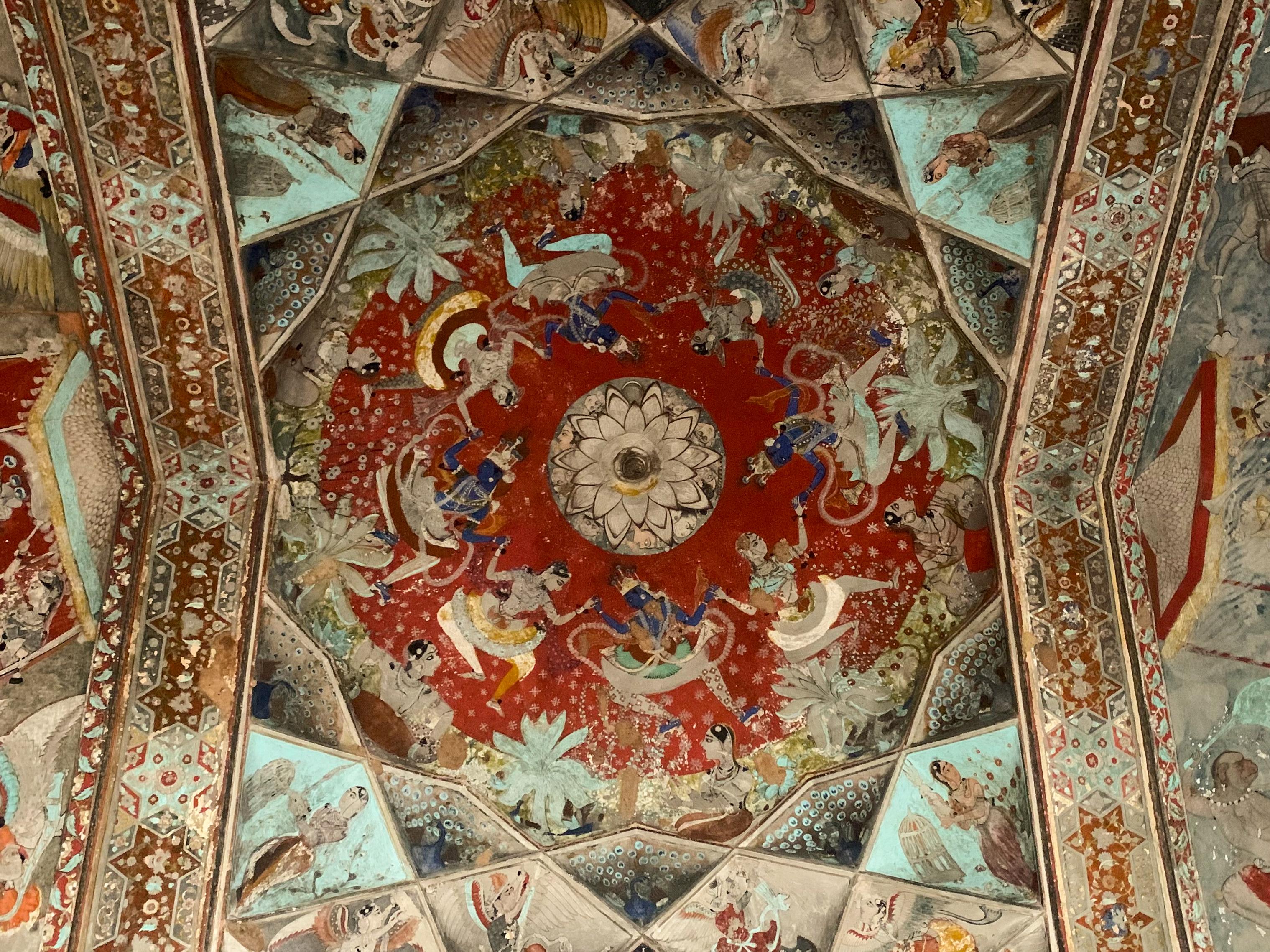
We made our way to Sri Dalada Maligawa, also known as the Temple of the Sacred Tooth Relic. It is a living heritage site centred around what is believed to be a tooth of the Buddha and has historically been central to politics in Kandy. Possession of the relic legitimised kingship. To possess the relic was to possess sovereignty.
The relic itself is not visible. It rests within nested caskets. The temple holds three daily ceremonies at 5:30am, 9:30am and 6:30pm, drawing both devotees and tourists. We attended the evening ceremony and busloads of visitors arrived with cameras raised. For a while, the performance of tourism overshadowed the performance of devotion. I was aware that I was part of it too. The unease returned.


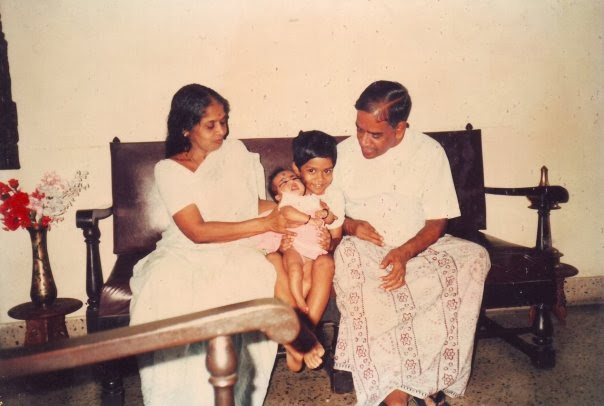
Once the initial rush subsided and many left after their photographs, the atmosphere shifted. The ceremony continued. I found myself following an elderly woman as she made her parikrama. Her slight frame and white saree, draped in the Sri Lankan style, reminded me of my own ammumma. The space felt quieter then.
There is also a small museum within the complex, tracing the journey of the relic from Kalinga to Kandy.
The next morning, before leaving for Madulkelle, we walked around Kandy Lake and climbed to one of the city’s viewing points. From above, the view finally aligned with the image I had first imagined.
The many sights and sounds around Kandy Lake. Between the rush of traffic and the stillness of the water, it was these blue olives, commonly found in the region, that caught my eye.

Journey to Madulkelle Tea Estate
Sri Lanka’s winding roads are beautiful, but they are not gentle. The long transfers can be physically exhausting. I am prone to travel sickness on mountain roads and, misjudging the severity of the bends, took only half my usual dose. Halfway through, I regretted it. The full tablet eventually saved the journey.
It also made me reflect on how ambitious many Sri Lanka itineraries are. The distances are not vast on a map, yet the terrain demands patience. I remain surprised at how many travellers attempt to cover even more in even less time.
Madulkelle, however, was worth the effort. We were staying at Madulkelle Tea and Eco Lodge, and the next two days unfolded slowly. When we arrived, the rolling slopes of the tea estate were wrapped in mist from earlier rain. We had hoped to trek in the Knuckles Mountain Range or hike to Mini World’s End, but the weather had other plans. Rain prevented the more adventurous outings, and our days were instead made up of cold swims in the infinity pool, chess games, and long stretches with a book.
The tents are set away from the main house, and with weak signal reception, I spent two full days without internet. There had also been several cancellations due to the weather, and one night we were the only occupants on the entire property.


The best moment? Stepping out of the tent at night to a sky dense with stars. No ambient light. No notifications. Just a gentle reminder of the vastness and scale of human existence.
If you are planning a visit, watch out for the leeches. A short walk around the property was enough to find a few latched on. They are astonishingly quick once they find exposed skin, and had me squealing and hopping quite comically!
Breakfast one morning brought back memories of Kerala. We were served string hoppers, and I was reminded of many breakfasts at home with noolputtu/idiyappam/sevige (call it what you may!). The chef was delighted to hear that I was from Kerala, and equally excited to share that he was soon bound for Sabarimala.
Madulkelle is also where I discovered I might like tea. Coffee has recently become my ritual, and tea never held much appeal. But tasting locally grown varieties, especially the BOPF, shifted something. Will I become a tea convert? Probably not. But there is now an appreciation where there wasn’t before.
Our last morning, we toured the Hatale Tea Factory and the scent of freshly crushed leaves, sharp and green, still linger.
Colombo Travel Reflections
By the time we reached Colombo, I was ready to stop moving!
Colombo surprised me. It negotiates colonial memory and contemporary ambition without the abrasion I often associate with such transitions.
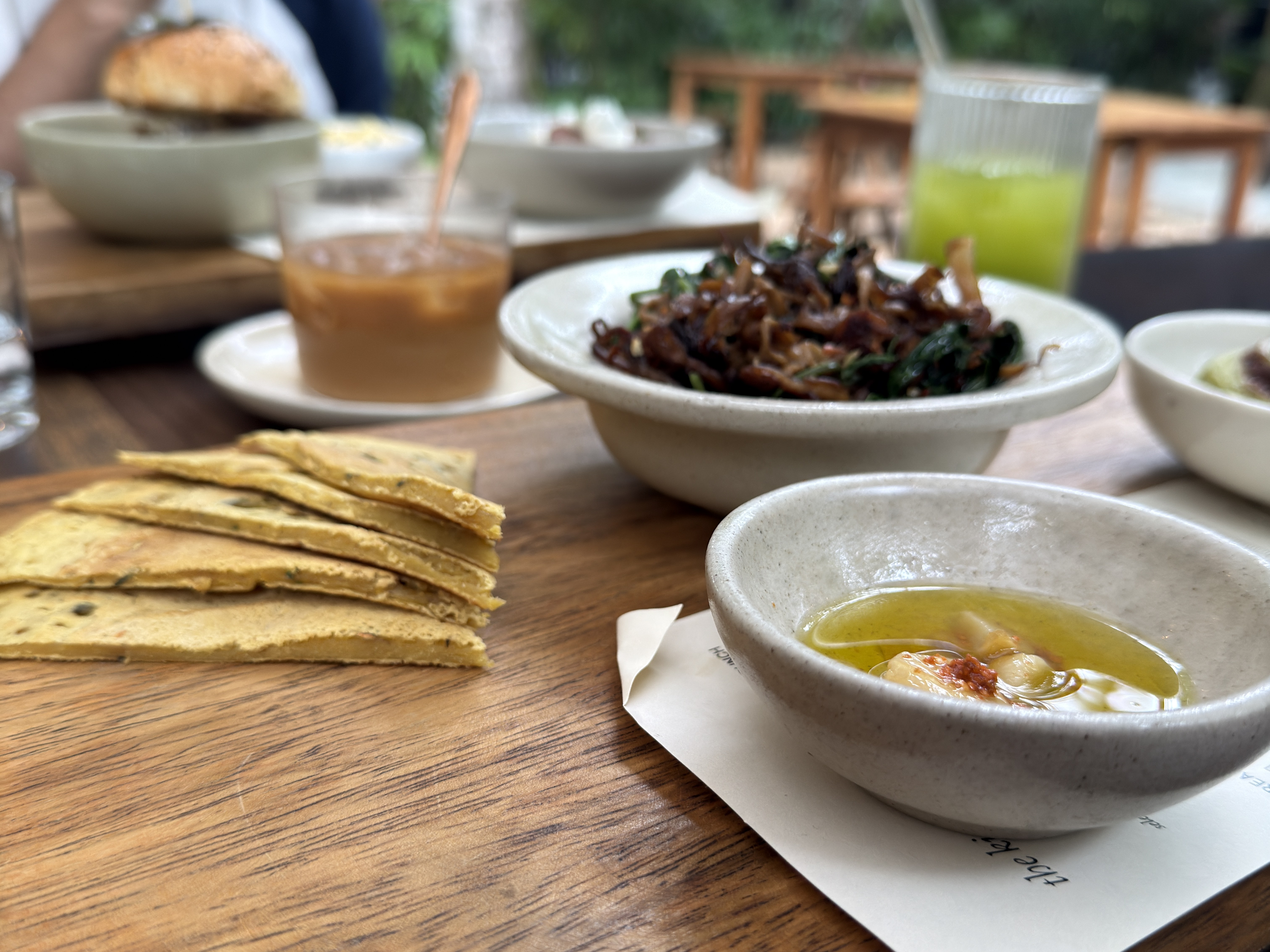
I was drawn to Park Street Mews. Alfresco diners spilled onto cobbled lanes. Locals lingered over drinks as dusk settled, reminiscent of my time in the UK. Cafe-hopping through Colombo allowed us to discover a quieter pace within the city.


The Gallery Café, once the office of Geoffrey Bawa, still carries his spatial language in its courtyards, filtered light and layered thresholds. At Barefoot Gallery, craft and contemporary culture coexist with ease. Textiles, art, books and a café that feels lived in!
Walking toward Galle Face Green, we passed the coastal train tracks running parallel to the sea and the road. The composition felt cinematic, almost stylised – imagine Wes Anderson meets Studio Ghibli.
Colombo felt like a city I would revisit, to inhabit and experience slowly.
I was reminded of a recent debate comparing civic infrastructure in India and Sri Lanka. Walking through Colombo, I noticed what many have pointed out. Cleaner streets. Disciplined traffic. Pedestrian-friendly stretches. A visible sense of collective ownership of public space. India’s density and scale present vastly different challenges. Yet being in a country geographically and culturally close to ours makes one wonder what could be possible. Not through comparison alone, but through intent.
Looking back, this leg of my Sri Lanka itinerary felt like a recalibration. Kandy unsettled me. Madulkelle slowed me. Colombo restored a quiet optimism. The long road journeys were tiring and sometimes disorienting, but they created space for reflection. In those pauses, I noticed more. About infrastructure. About civic responsibility. About proximity and possibility. Sri Lanka felt familiar. Close to home, yet offering a mirror.
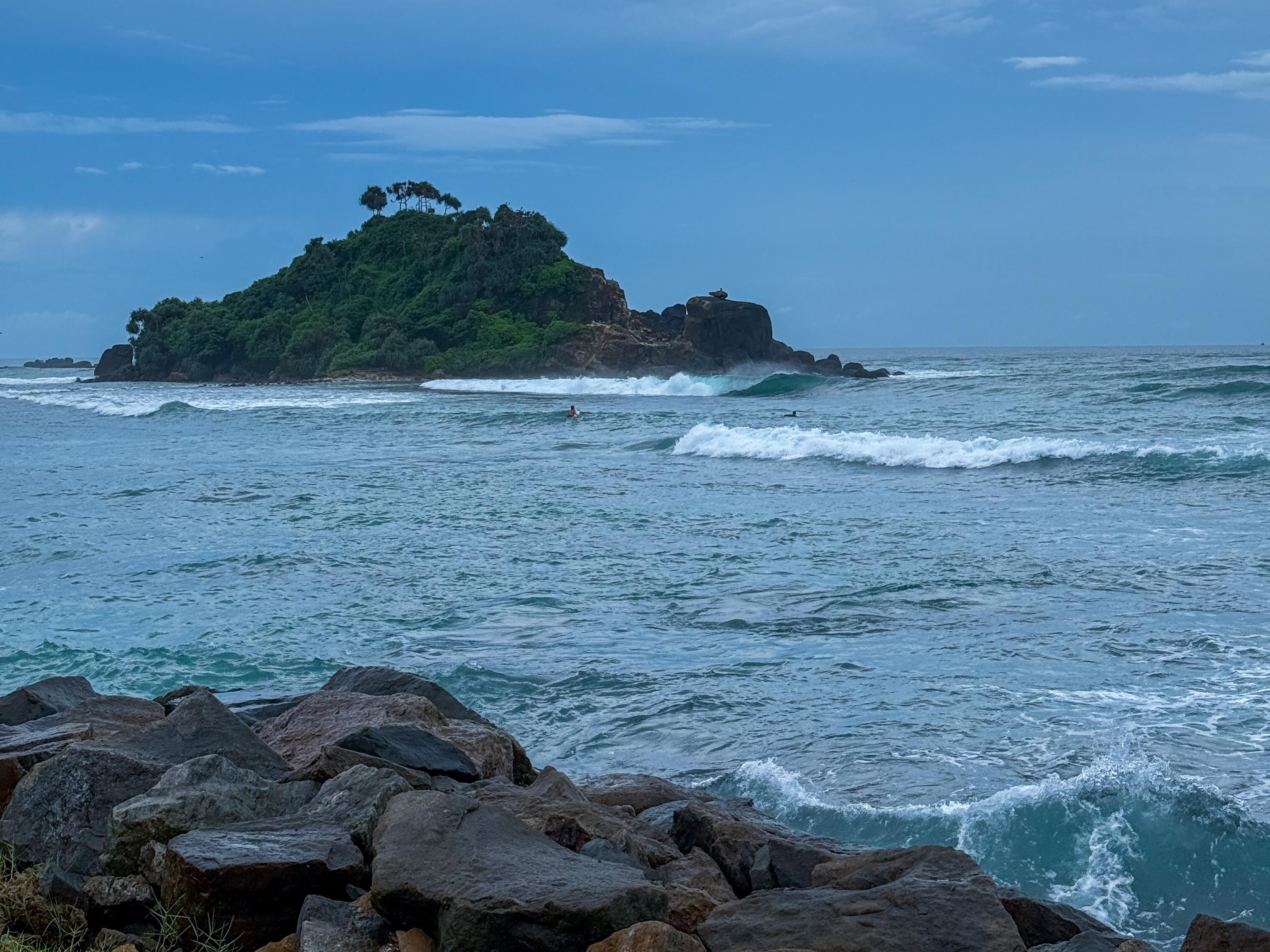
In the next post, I will be sharing reflections from Sri Lanka’s South Coast, where the rhythm shifts once again and the ocean sets the pace.